
Description
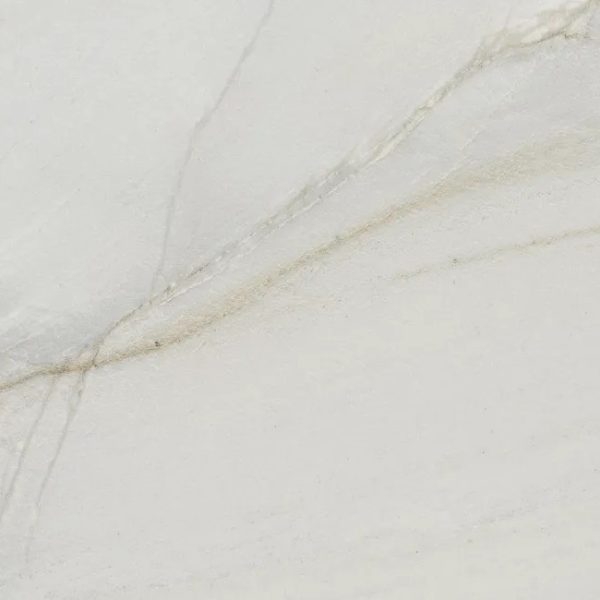
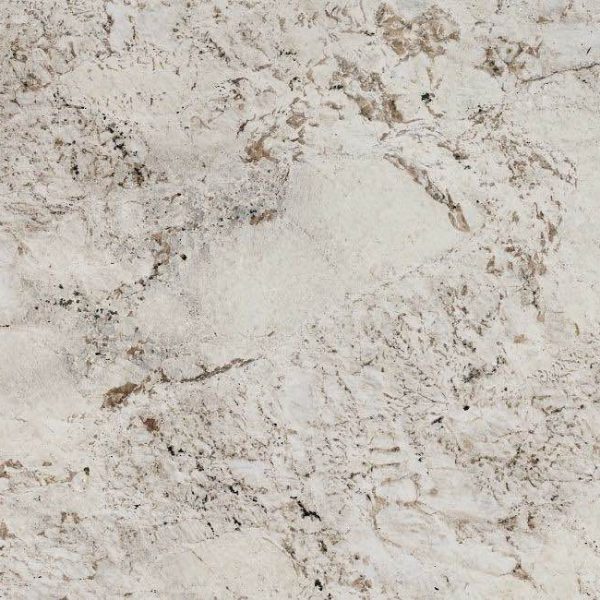
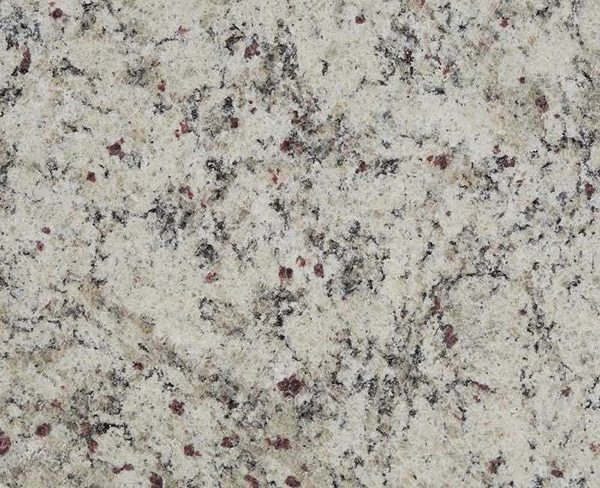
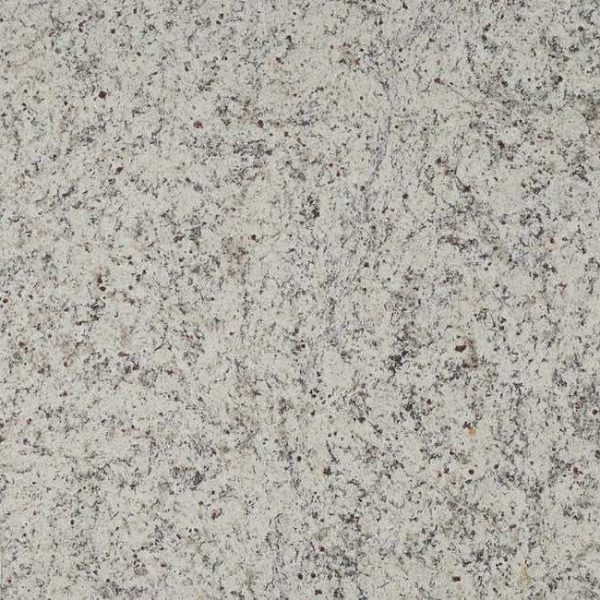
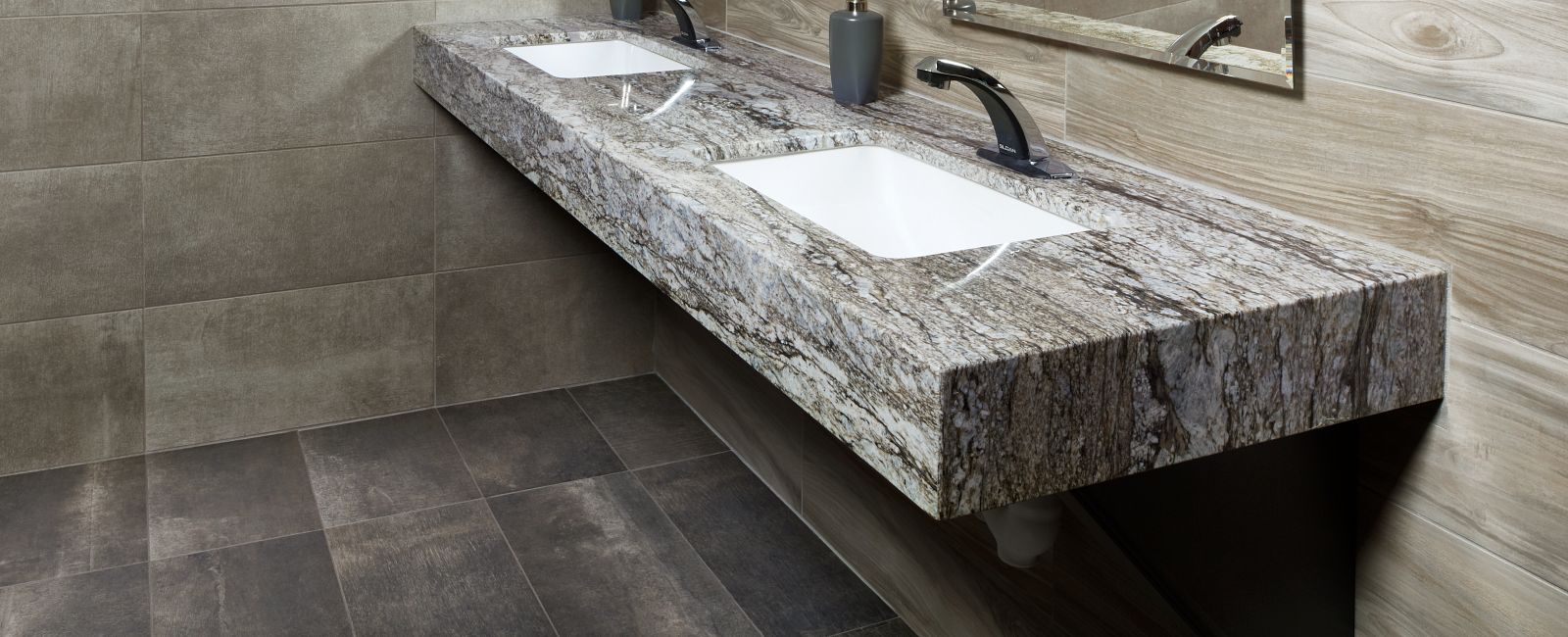
Kalahari granite is a visually dynamic natural stone quarried from bedrock formations in India, prized for its rich color palette and expressive movement. This material stands out for its wide range of tones, which can include light green, varying shades of grey and blue, as well as white or cream accents. The interplay of these colors creates a layered and multidimensional appearance, giving each slab a unique and artistic character that can elevate both modern and traditional designs.
Adding to its visual interest, Kalahari granite may also contain larger mineral inclusions such as quartz and tourmaline. These naturally occurring elements can appear as distinct crystalline formations or darker chunks within the slab, contributing to the stone’s depth and texture. Quartz, known for its hardness and light-reflective qualities, can introduce subtle brightness, while tourmaline may appear as darker, more pronounced features that enhance contrast. The presence, size, and distribution of these minerals will vary from slab to slab, making each piece one of a kind.
The veining and overall movement in Kalahari granite can differ significantly from lot to lot, ranging from gentle, flowing patterns to more dramatic and bold compositions. Because of this natural variation, it is highly recommended that customers view and select the actual slabs in person prior to fabrication and installation. This ensures that the chosen material aligns with the desired aesthetic and allows for proper planning of layout, especially for projects where visual continuity is important.
Due to the directional movement and structural characteristics of the stone, Kalahari granite is often processed with book-matching in mind. This technique involves cutting adjacent slabs and opening them like pages of a book to create a mirrored image across the surface. The slabs are then kept in sequence to preserve the natural flow of the pattern, resulting in a cohesive and visually striking installation. Book-matching is particularly effective for applications such as waterfall islands, feature walls, fireplace surrounds, and other statement pieces where symmetry and continuity are desired.
As with most natural stones, Kalahari granite may contain inherent features such as small pits, fissures, or micro-cracks formed during its geological development. During the polishing process, an epoxy resin is applied to the surface to fill and stabilize these natural imperfections. This step enhances the smoothness of the finish and improves the overall appearance of the slab while maintaining its structural integrity. The use of resin does not affect the durability, maintenance, or natural beauty of the stone.
In some cases, extremely small pits that are too fine to effectively retain the resin may become visible again during subsequent finishing stages. These minor occurrences are normal and should not be considered defects. They do not compromise the performance or longevity of the material and are typically only noticeable upon close inspection.
Kalahari granite is highly durable and suitable for a wide range of residential and commercial applications. It performs well as kitchen countertops, bathroom vanities, backsplashes, wall cladding, and decorative features. Its resistance to heat and scratching makes it a practical choice for everyday use, while its bold colors and movement make it a focal point in any space.
Like all natural granites, Kalahari is slightly porous and benefits from proper sealing. Applying a high-quality sealer is recommended to protect the surface from moisture absorption, staining, and daily wear. Periodic resealing, depending on usage and environmental conditions, will help maintain its longevity and preserve its appearance over time. Routine maintenance is simple and involves cleaning with a mild, pH-neutral cleaner and a soft cloth, while avoiding harsh or abrasive products.