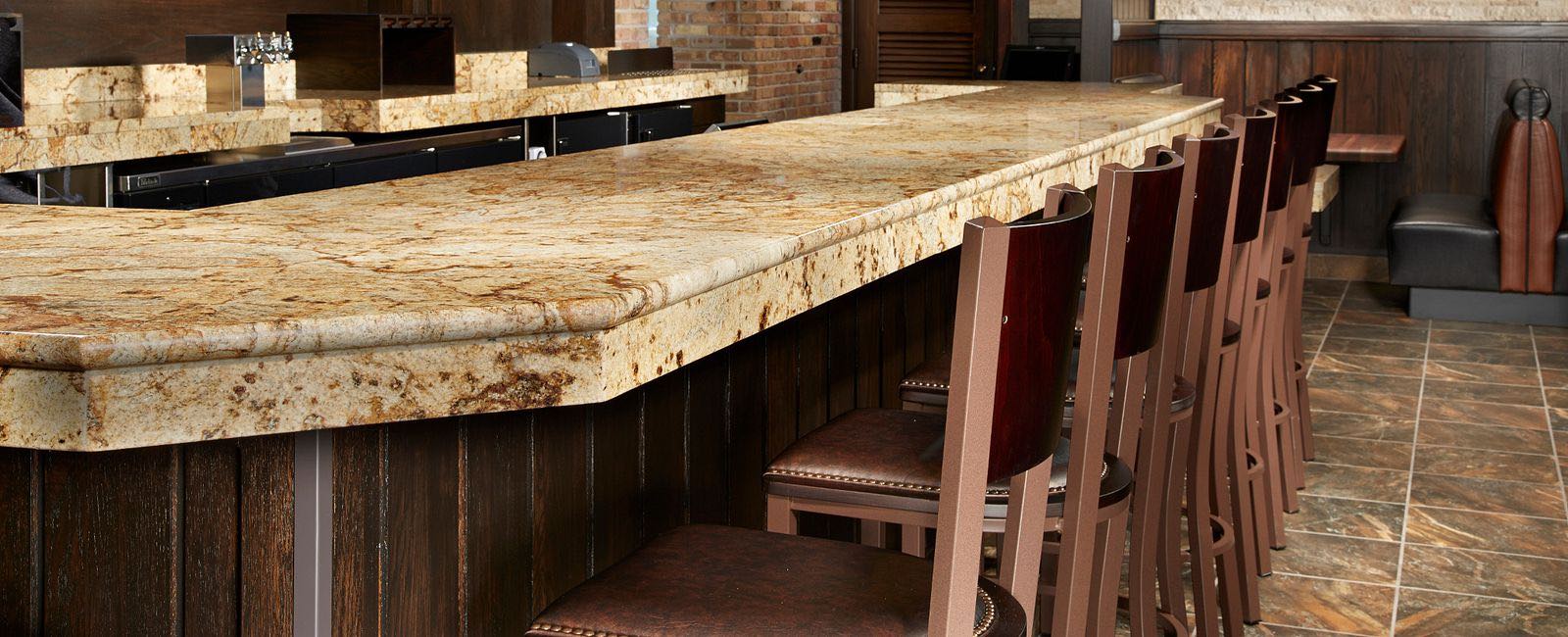
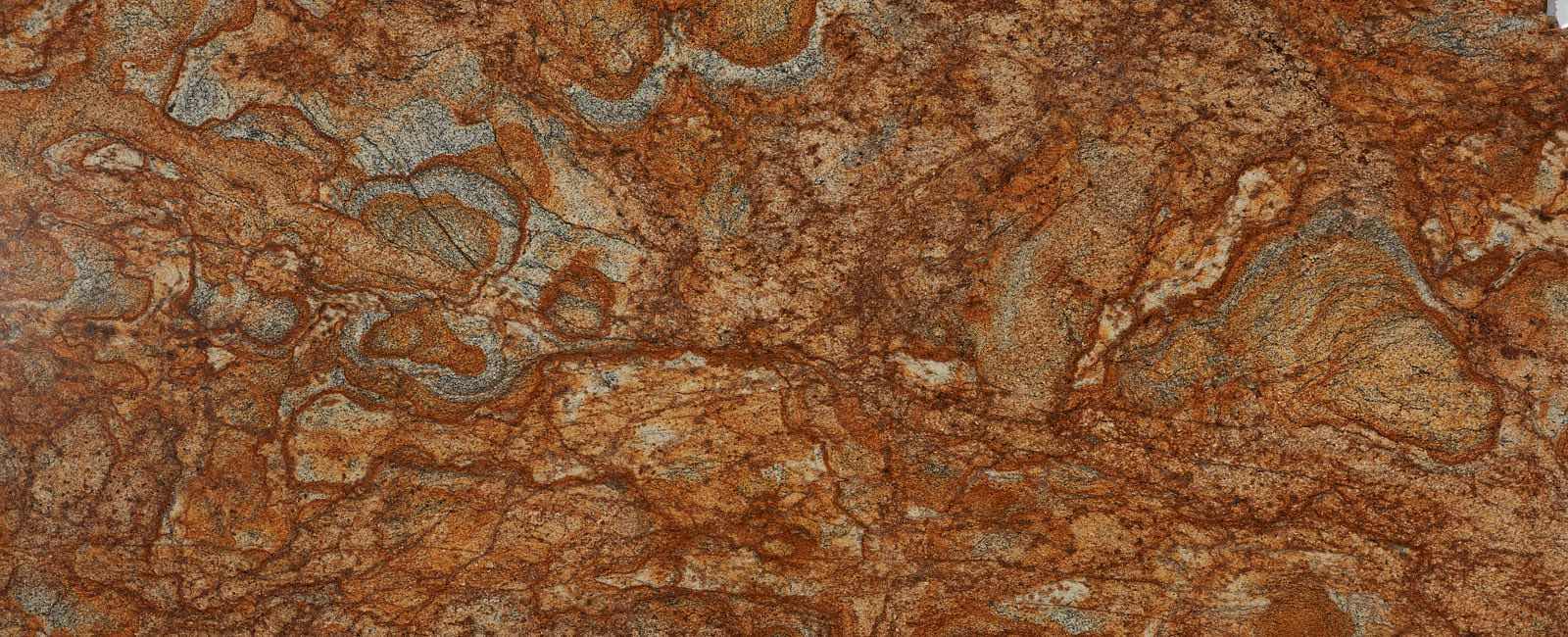
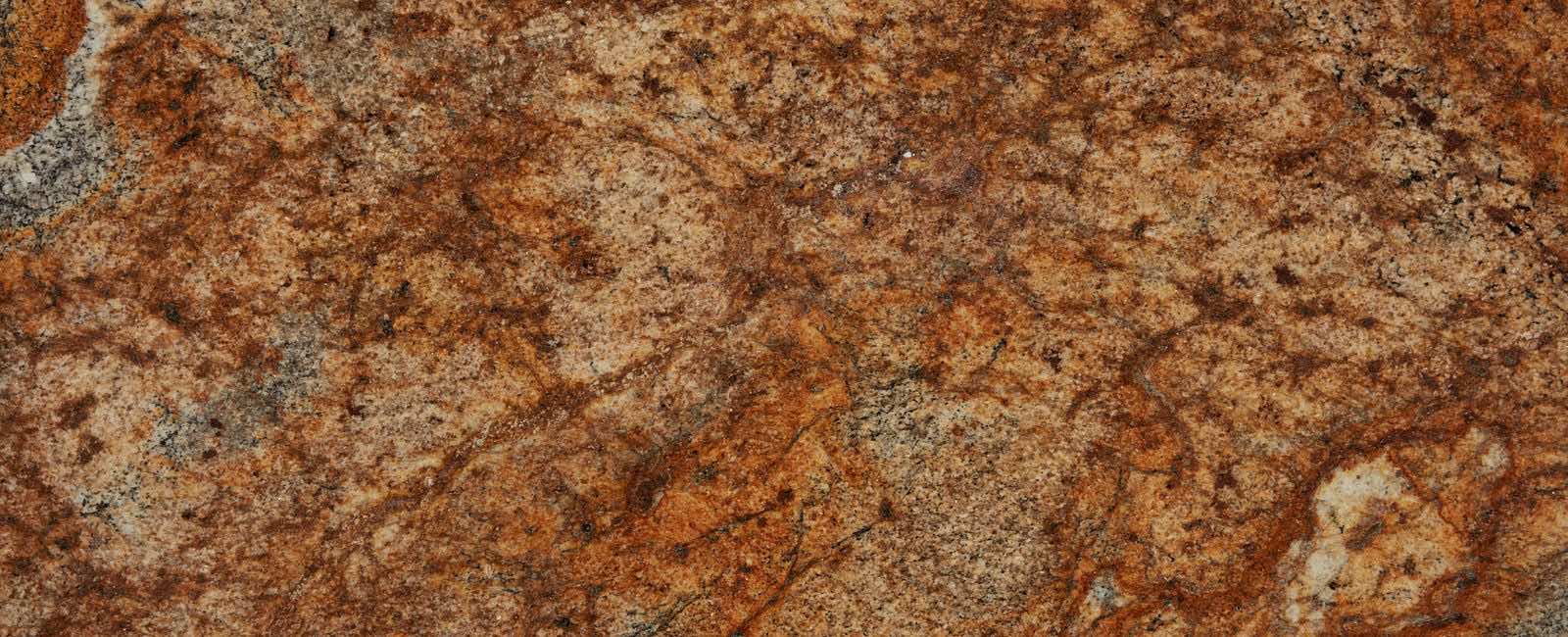


Description
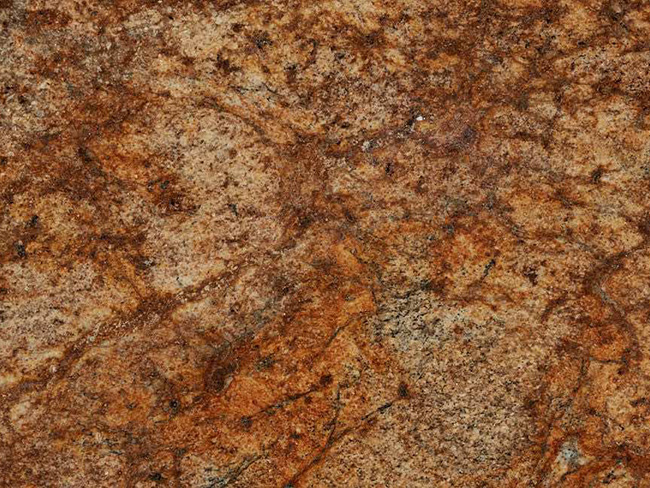
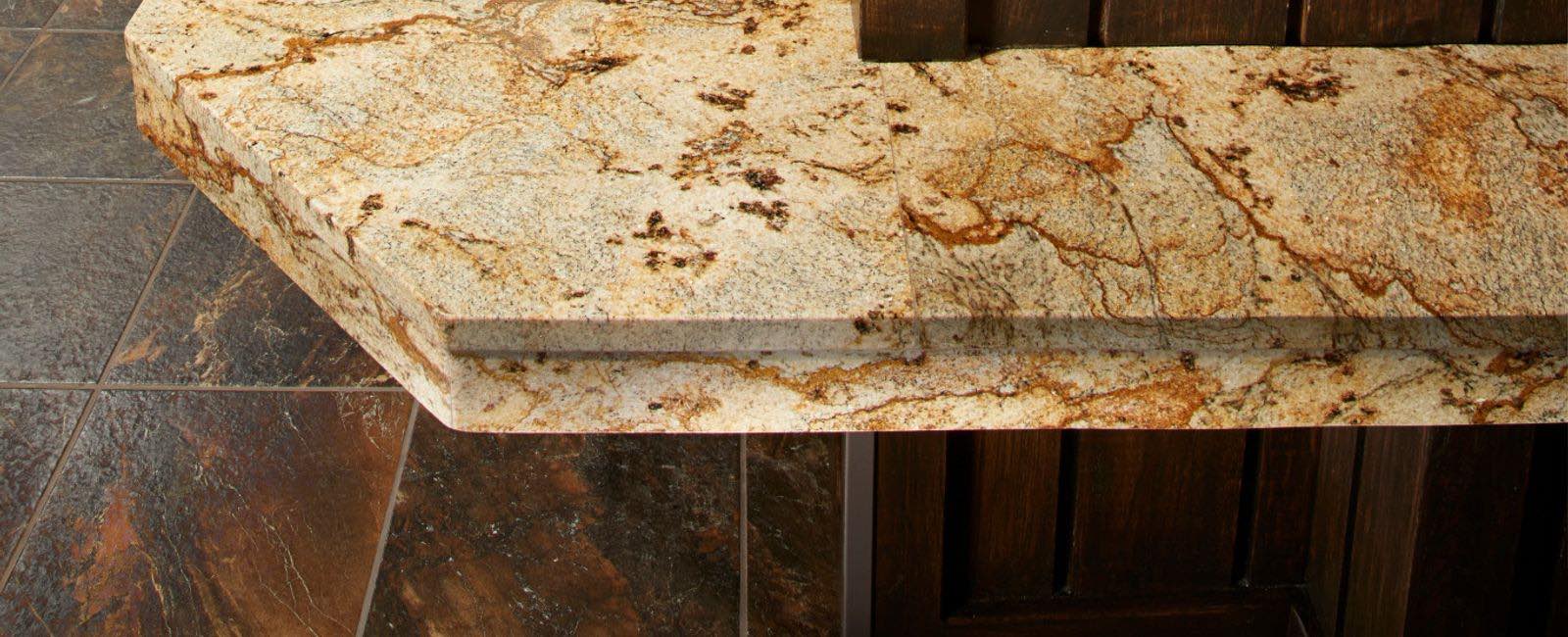
Lapidus granite is a striking natural stone quarried from bedrock formations in Espírito Santo, Brazil, renowned for its rich coloration and dramatic visual movement. This granite is especially valued for its warm golden tones, which range from deep, насыщенный gold to lighter, more subtle shades depending on the depth at which the stone is extracted. Blocks taken from the upper sections of the quarry typically exhibit darker, more intense gold hues, while those sourced from deeper layers tend to present a softer, lighter coloration. This natural variation contributes to the uniqueness of each slab and offers a wide range of design possibilities.
The distinctive golden appearance of Lapidus granite is the result of a natural geological process that has occurred over millions of years. Water has penetrated the stone through small cracks and fissures, interacting with iron-bearing minerals within the granite. Over time, this exposure to moisture and oxygen caused oxidation, producing the vibrant gold, amber, and sometimes honey-colored tones that define the material. Prior to this oxidation process, the base color of the stone is naturally grey. In many slabs, portions of this original grey background remain visible, creating contrasting areas often referred to as “islands.” These islands add depth and complexity to the overall pattern, enhancing the stone’s organic and artistic character.
Lapidus granite is known for its flowing movement and layered structure, making it an ideal candidate for book-matching. Due to the directional veining and variation within the stone, slabs are often processed in sequential pairs. Book-matching involves cutting adjacent slabs and opening them like pages of a book to create a mirrored image. These slabs are then kept in sequence, allowing for a continuous and harmonious flow of pattern when installed. This technique is particularly effective in applications such as feature walls, waterfall islands, and large countertop surfaces where visual impact and symmetry are desired.
As with many natural stones, Lapidus granite may contain inherent characteristics such as pits, fissure